The “Tow Truck Tax”: The True Cost of Reactive Maintenance.
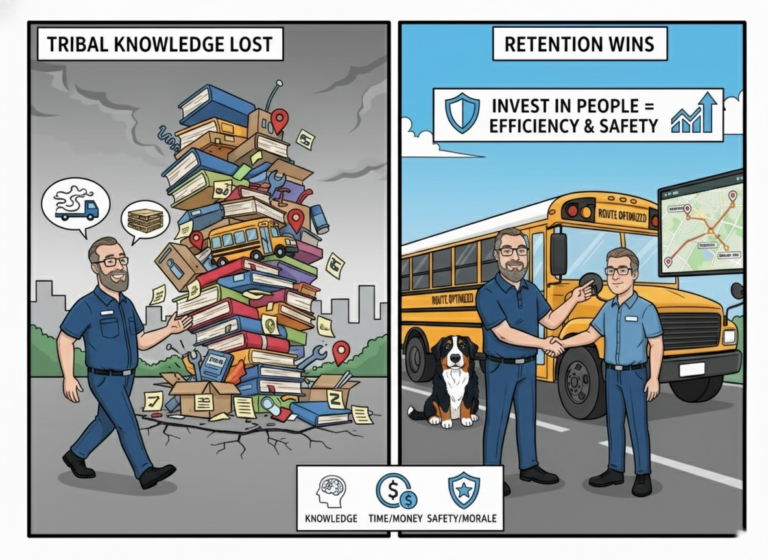
We’ve spent the last four post breaking down the hidden drains on your profit margins—from inefficient routing to the high cost of driver turnover. But today, we are looking at the most expensive bill of all.
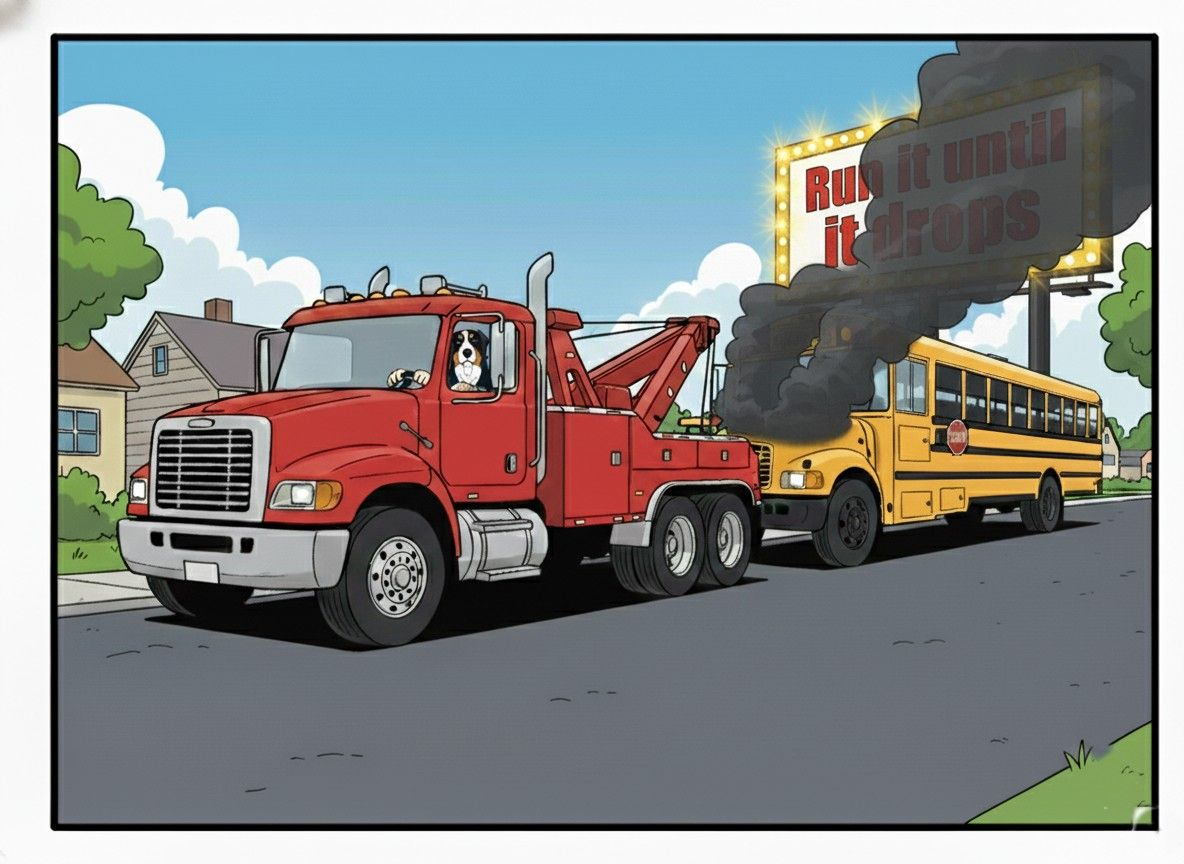
It’s the cost that arrives when all your other systems fail. Usually, it shows up on the side of a highway, in the dark, with a tow truck on the way. We call it the “Tow Truck Tax.”
This is the final installment of our series on the 5 Hidden Costs of Poor Logistics. If you missed the others, you can catch up on [Bad Routes], [High Turnover], [Outdated Tech], and [Poor Communication] here.
The “run it ’til it breaks” strategy.
We see the repair bill and think that’s the cost. Wrong. The repair is just the cover charge. The real costs are the catastrophic consequences of a reactive operation.
The “Tow Truck Tax” Cost
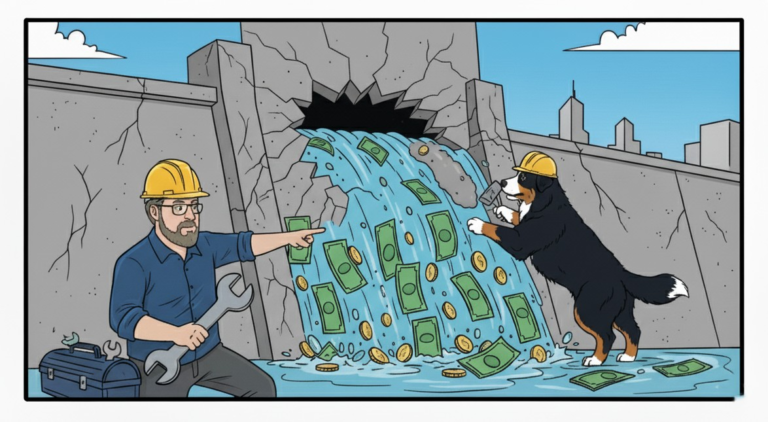
An emergency roadside repair is always 10x more expensive than a planned one in your own shop. You pay for the tow. You pay the 24/7 emergency mechanic premium (they know you’re desperate). You pay for parts at a markup with no option to shop around. You pay a driver to sit for 8 hours—or spring for a hotel room while they contemplate their career choices.
You’re not just fixing a truck; you’re paying a massive “tax” for a failure that was preventable.
The “Domino Scramble” Cost
One truck down is never just one — it’s an operational nightmare.
In Trucking: That’s a hot load that’s now late. You’re scrambling for a spare and playing Tetris with your schedule to recover the load, all while torching your on-time performance with that shipper.
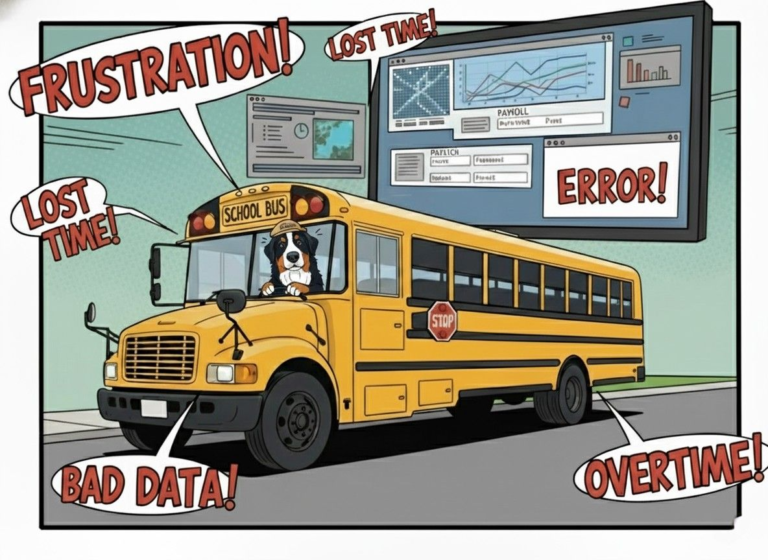
In Student Transportation: That’s 60 kids who aren’t getting to school. It’s last-second calls to other drivers to cover the route, which makes them run late, and suddenly the entire system is a domino chain of chaos and angry parent calls.
The “Lawsuit Waiting to Happen” Cost
This is the one that should keep you up at night. When you combine a rushed driver (Post 1), a new employee (Post 2), a pencil-whipped pre-trip (Post 3), and a missed maintenance report (Post 4)… you get a predictable, negligent failure.
A “run it ’til it breaks” isn’t just expensive—it’s dangerous. It’s the brake failure that would have been caught in a PM. It’s the tire blowout a veteran driver would have reported. This is where DOT violations, failed inspections, and catastrophic accidents are born.
How to Break the ‘Run it ’til it Breaks’ Cycle
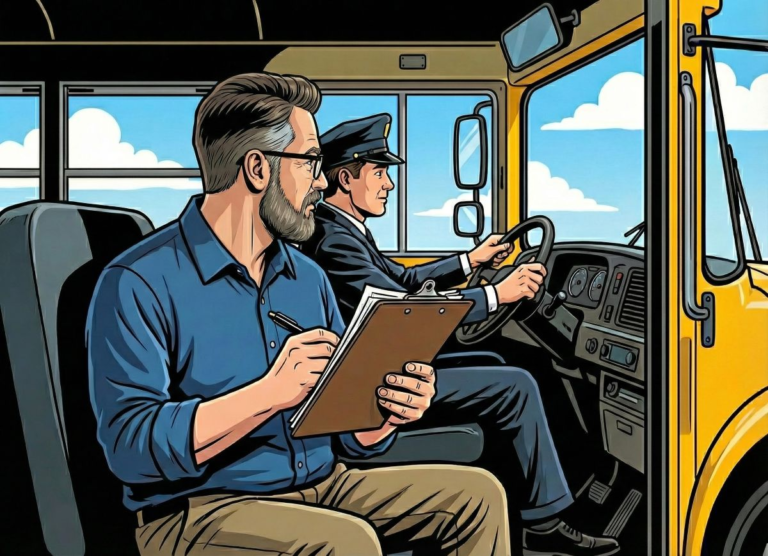
Standardize the Hand-off: Don’t rely on verbal “hey, the brakes feel soft” comments. Implement a mandatory end-of-shift report (Digital DVIR) that requires a timestamp. This creates a paper trail that holds both the driver and the shop accountable.
The ‘Front-Load’ Strategy: Move your PM (Preventative Maintenance) schedule up by 10%. If you usually service at 10,000 miles, do it at 9,000. That 1,000-mile “safety buffer” is significantly cheaper than one roadside emergency.
Bridge the Dispatch-Shop Gap: In student transportation, the “morning rush” is unforgiving. If a bus doesn’t start, a route doesn’t run. To prevent the 6:00 AM panic, hold a 10-minute “Operational Sync” every Tuesday morning between the Shop Lead and the Dispatcher
The Benefit: Instead of fighting over a “Downed Bus” when the bells are about to ring, you’re identifying spare capacity and scheduling repairs around field trips and athletic runs. This turns a morning of “firefighting” into a coordinated plan for student safety.
The Goal: Aligning the Preventative Maintenance (PM) Schedule with Route Requirements.
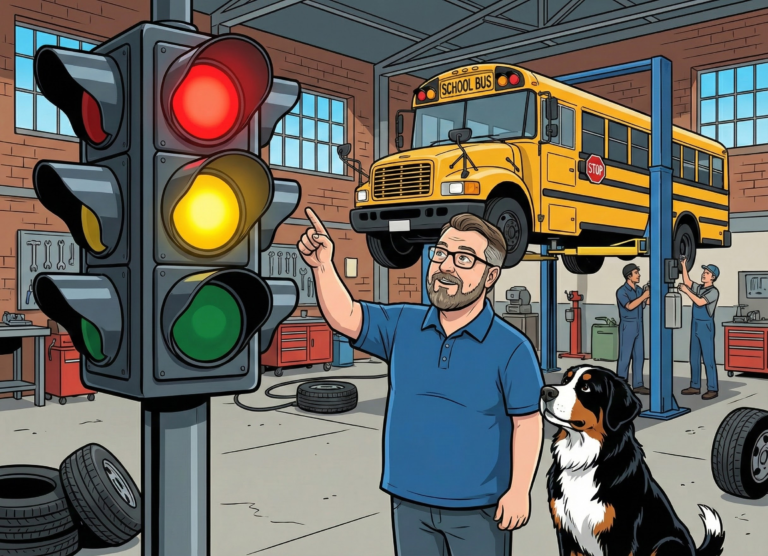
Implementing these steps is easier with the right tools. We’ve built a ‘Conflict Resolution Kit’ specifically for Dispatch and Maintenance teams. Grab the agenda and the printable communication tags below.
Download Your Kit
Stop the 6:00 AM finger-pointing. Get my free agenda for your weekly lead meetings, plus the printable Red/Yellow/Green tags to fix shop communication.