Beyond Fuel: The Hidden Cost of Inefficient School Bus Routing.
How many operations leaders stare at the fuel budget like it’s the only thing that matters?
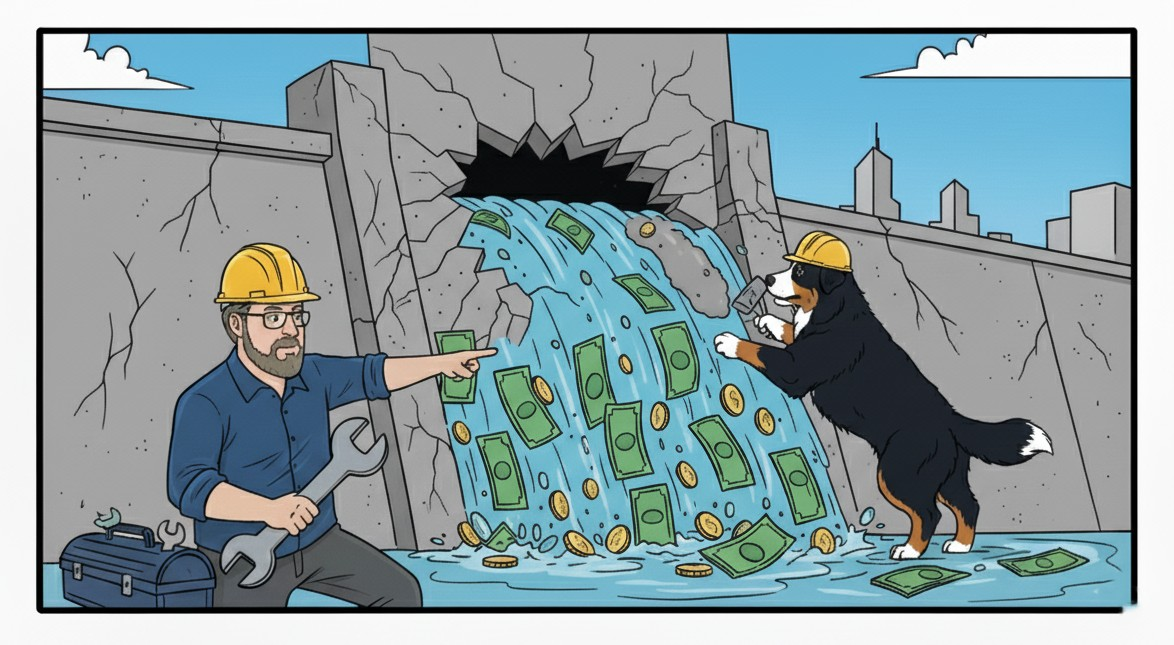
For decades, obsessing over fuel costs has been the playbook. But focusing on the fuel gauge is like trying to fix a leaky dam with duct tape. The real damage is happening below the surface.
We’ve all seen the “spaghetti route”—the one that zigs and zags across town, makes zero sense, and has drivers backtracking like they’re stuck in a GPS blooper reel. We write it off as “the cost of doing business.”
But what’s it actually costing us?
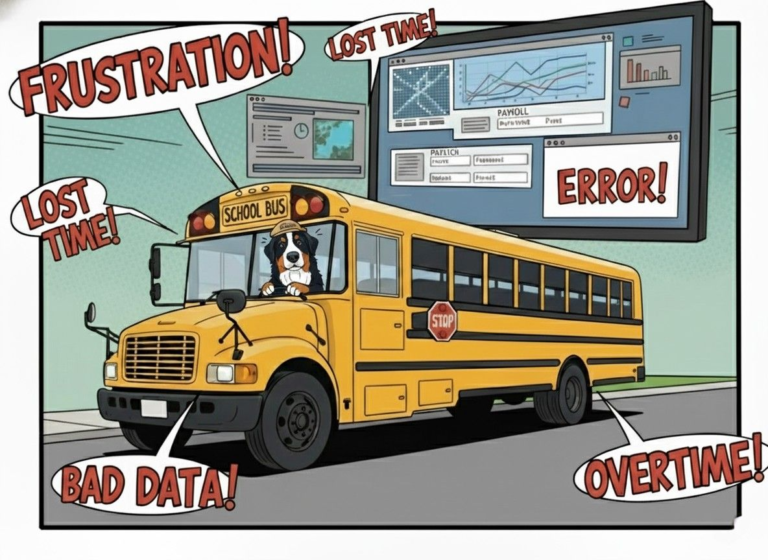
It’s not just the extra diesel. It’s a triple-threat silently draining your P&L: a people problem, a retention problem, and a customer service problem.
The Driver Burnout Cost
A poorly planned route is a 10-hour puzzle with 8 hours to solve it. It’s a daily setup for failure. Your skilled driver is constantly fighting the clock, battling traffic, backtracking, and watching their Hours of Service tick down. This isn’t “a tough day”—it’s a message that their time doesn’t matter. In an economy with a massive driver shortage, they’ll find an employer who values it.
The Customer Dissatisfaction Cost
In today’s “on-demand” world, “late” is a four-letter word.
In Trucking: A missed delivery window triggers a bullwhip effect. Dock crews go into overtime. Shippers get compliance fines. Your truck sits in detention. And you become “that carrier.”
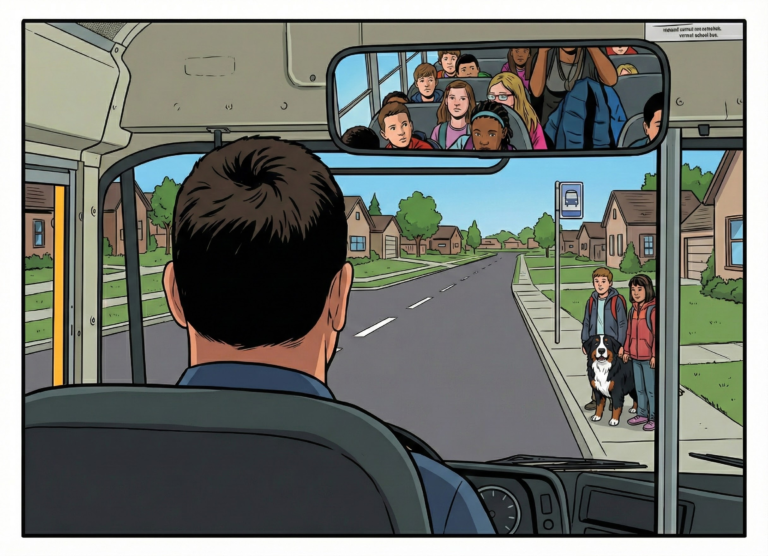
In Student Transportation: A late bus means anxious parents on dark corners and 50 inbound complaint calls tying up your staff. Trust isn’t just broken—it’s shattered.
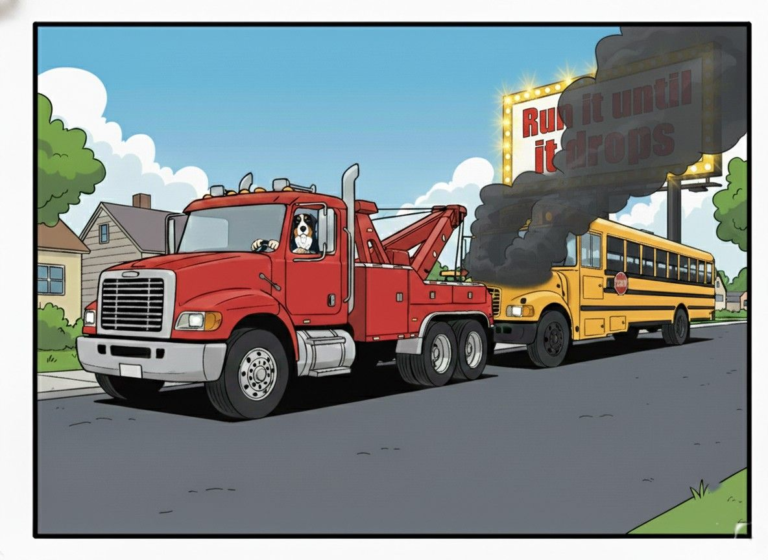
The Accelerated Depreciation Cost
That “extra 20 miles a day” adds up fast: 20 miles × 250 days × 50 vehicles = 250,000 ghost miles per year. These silent killers degrade tires, accelerate oil life, and wear down brakes and transmissions. You’re shortening the revenue-producing lifespan of your most expensive assets.
Stop “Saving Fuel,” Start Building Strategy
This is exactly what we look for during a comprehensive Feet & Operations Audit. Route optimization isn’t a fuel tool—it’s a core strategy for building a stable, reliable, respectful operation.
It Respects Your Driver’s Time: Optimized routes create predictable days, eliminate wasted time (goodbye, agonizing left turns and 3 PM gridlock), and reduce fatigue. A driver who isn’t fighting a bad plan is safer, more focused, and stays longer.
It Manages Your Customer’s Expectations: Consistency turns you from “a carrier” into “THE carrier.” For parents, it’s a predictable pickup time they can set their watch to—and the backbone of those bus-tracking apps that eliminate “where’s my bus?” calls.
It’s time to look past the fuel gauge.
My question: What’s the biggest hidden cost you’ve seen from inefficient routing? Driver burnout? Customer complaints? Or those brutal shop bills?