The Hidden Costs of Poor Logistics: Why “Free” Tech is Bleeding You Dry (Part 3)
Let’s talk about the most expensive piece of software in your operation and how it contributes to the hidden costs of school bus operations.
It’s not that fancy new TMS (Transportation Management System) you’re evaluating. It’s that “free” spreadsheet your dispatch team uses to run 90% of the business.
In this series, we’ve already covered the costs of bad routes (Part 1) and high turnover (Part 2). But the common thread tying them together is often the clunky, outdated, or “good enough” technology we force our teams to use.
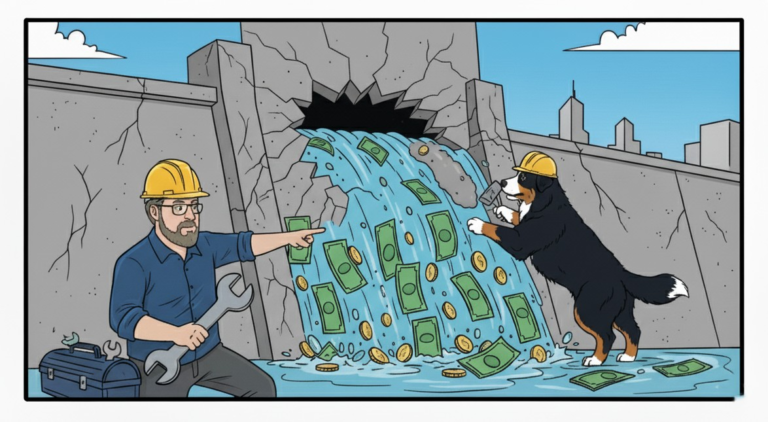
We often think we’re being “frugal.” We tell ourselves we’re “saving money” by not upgrading to modern systems. But the reality is that these hidden costs are bleeding us dry.
The “Manual Data Entry” Cost
Ask yourself: How many high-value hours are spent on low-value work every week?
Your Operations Manager (likely making $80k+/year) might spend half their Tuesday copying and pasting data from three different sheets just to build one report. Meanwhile, your dispatcher manually keys in addresses that the software could import in seconds. Even your office admin reconciles fuel receipts line-by-line instead of letting them auto-populate.
Consequently, you burn high-cost, high-skill labor on 1990s-era data entry. It is an invisible payroll drain. You are effectively paying your best people to be professional typists instead of the strategic thinkers you hired them to be
The “Managing Blind” Cost
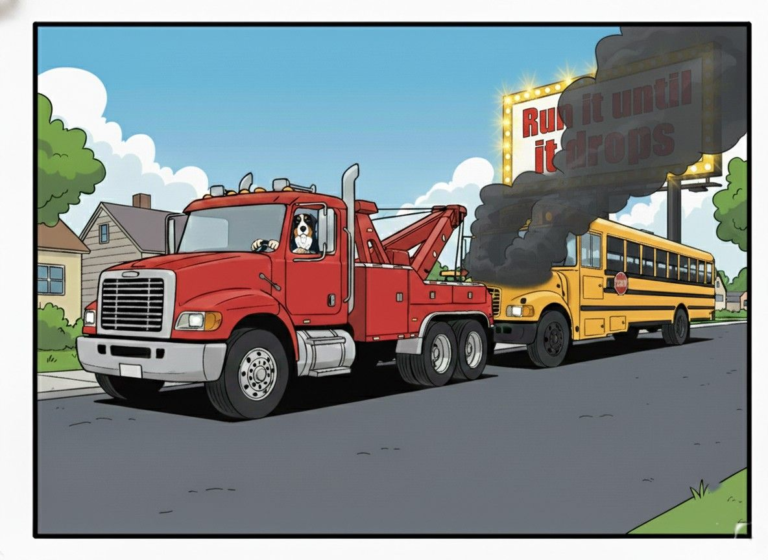
A spreadsheet is a history book. By the time the data is entered, it’s already old news. relying on “gA spreadsheet is a history book. By the time you enter the data, it’s already old news. Therefore, relying on “good enough” tech forces you to manage by looking in the rearview mirror.
When you manage blind, you react too late:
- First, you discover the late delivery only after the customer calls to complain.
- Next, you see the driver’s HOS (Hours of Service) violation only after they log it.
- Finally, you realize the school bus was 20 minutes late only after 30 parents have flooded your phone lines.
Without real-time visibility, you can’t be proactive. As a result, you become a full-time, high-paid firefighter putting out yesterday’s fires.
The “Death by a Thousand Clicks” Cost
This is the retention killer, and it links directly back to our discussion on turnover.
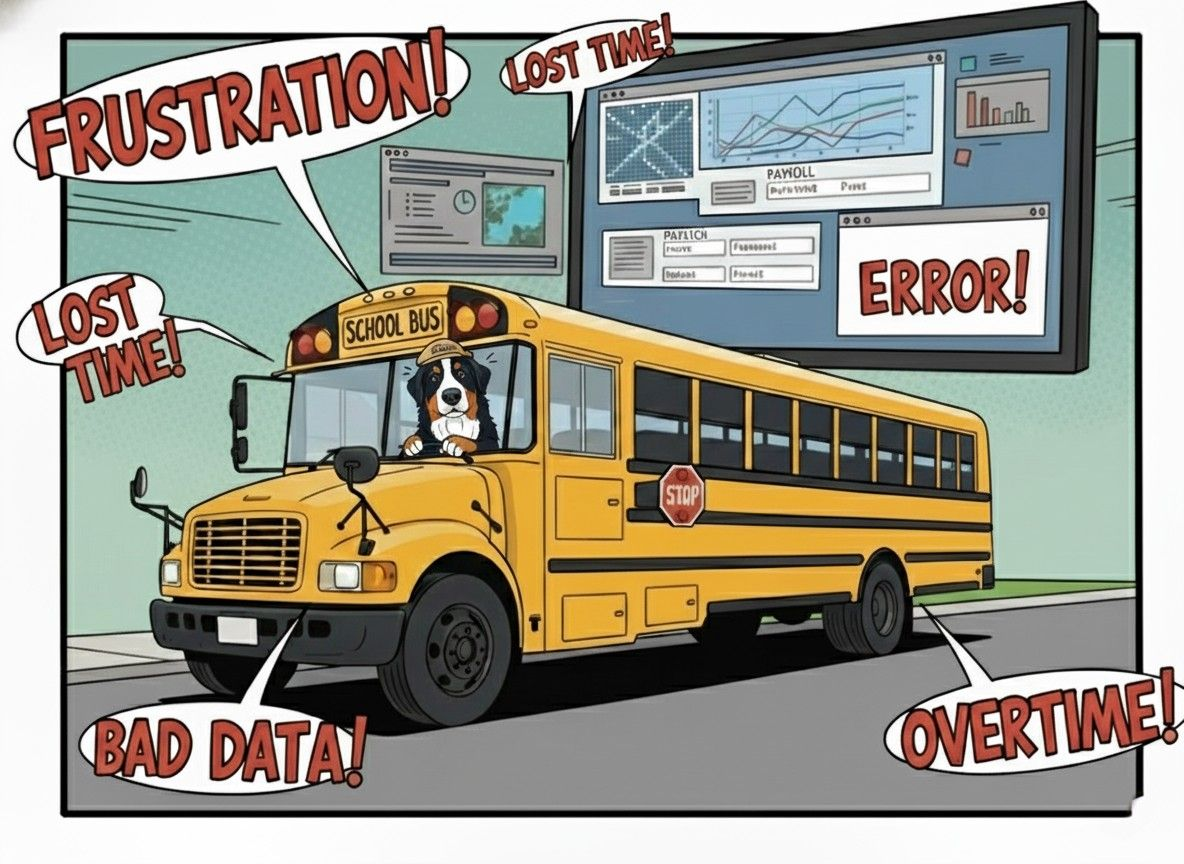
Your team knows better tools exist. They use them on their smartphones every day—seamless, fast, intuitive apps. Yet, they clock into work and get handed a system that crashes three times a day, or a clunky handheld device that takes 47 steps just to log a simple stop.
This experience is demoralizing. In fact, it is the digital equivalent of saying, “I don’t value your time, and I don’t care about your frustration.” This daily aggravation is a major driver of burnout that eventually sends your best people packing.
The Takeaway: Technology is a Retention Tool
We must stop seeing technology as a line-item expense to be minimized.
The right tech isn’t a cost center—it’s a retention tool and a customer service multiplier. It pays for itself by automating the mind-numbing tasks. This frees your smart, expensive people to do what you actually hired them for: optimize operations, solve complex problems, and wow your customers.
What is one manual process or “spreadsheet-in-charge-of-everything” in your operation you wish you could automate tomorrow?