The Ghost Shift: The Silent Killer of School Bus Driver Retention
IN THIS ARTICLE: Why the four-hour gap between morning and afternoon routes is your silent retention killer—and three proven strategies to bridge it.
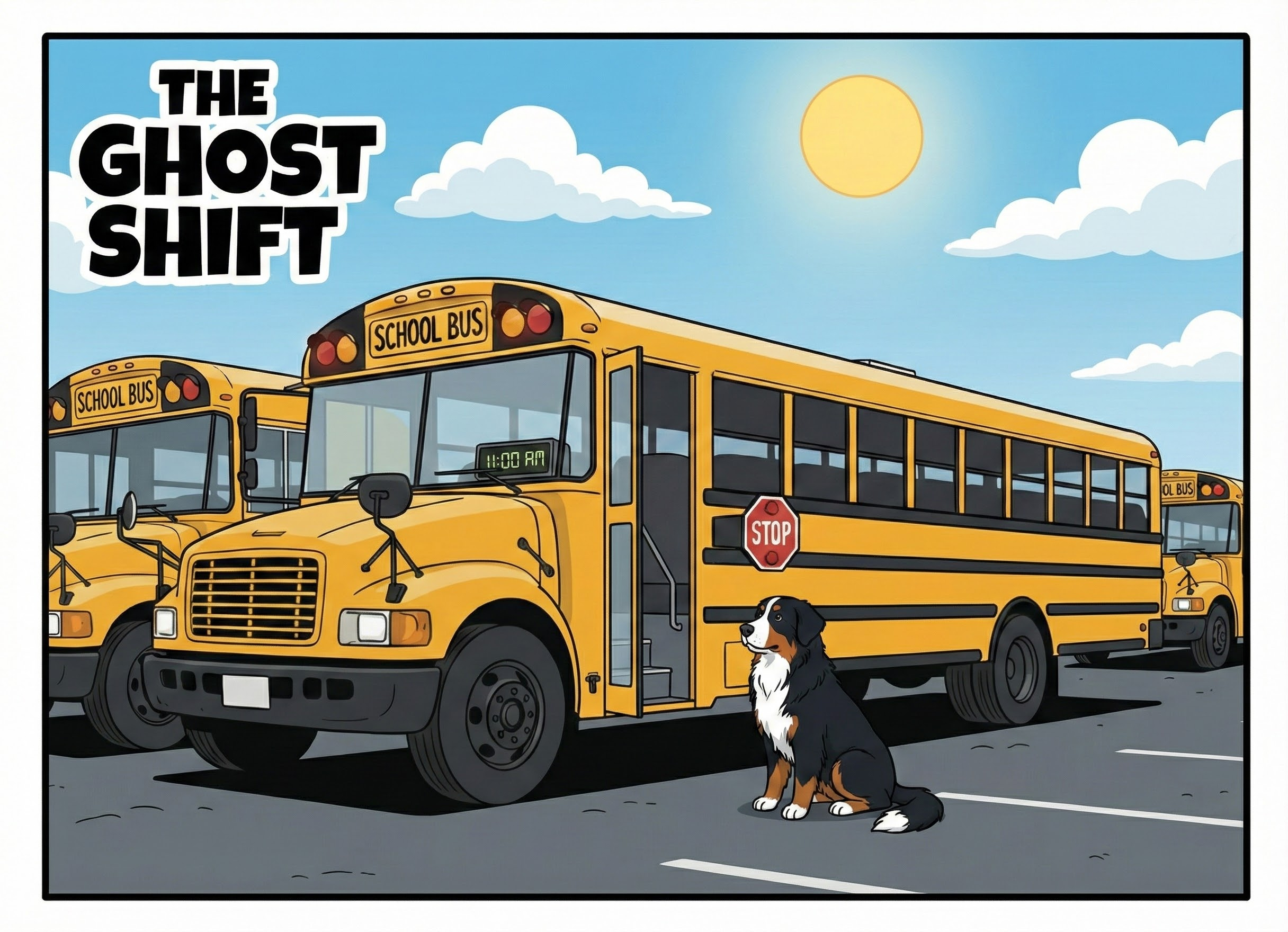
The hardest part of a school bus driver’s day isn’t the driving. It’s the waiting. And this hidden gap is one of the biggest factors damaging school bus driver retention nationwide.
It’s the waiting.
We call it the Split Shift. I call it the Ghost Shift—and I can prove it’s costing your district more than you think.
If you ask most people what makes school bus driving difficult, they’ll guess the traffic, the weather, or managing fifty students. But ask the drivers themselves? They’ll tell you the hardest part is the four-hour gap in the middle of their day that holds their entire life hostage.
In my 25+ years managing multi-site transportation operations, I’ve consistently seen that districts addressing the Ghost Shift reduce driver turnover by 30-40% compared to industry averages. Yet most operations leaders don’t even know it exists.
The Anatomy of a 12-Hour “Part-Time” Day
To a payroll spreadsheet, a school bus driver is a part-time employee. They clock in for three hours in the morning and three hours in the afternoon. On paper, it looks like a flexible, 30-hour work week.
But to a human being, it feels like a 12-hour day that holds your life hostage.
Here’s the reality of the Ghost Shift:
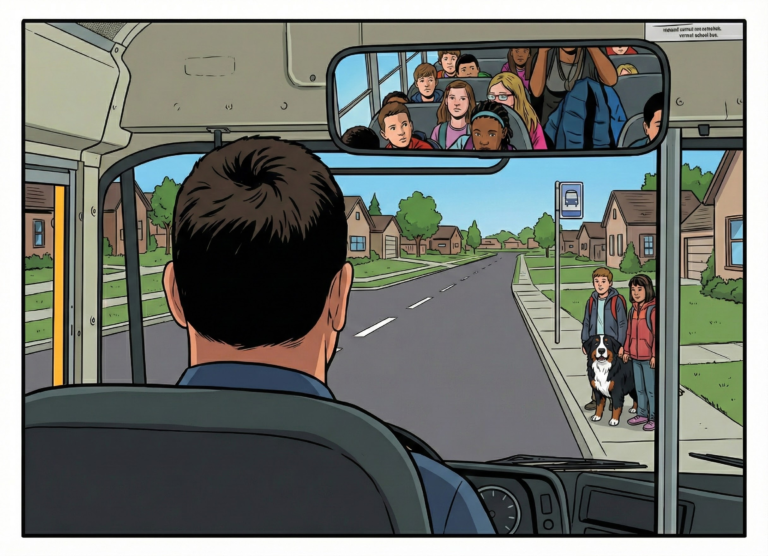
6:00 AM – 9:00 AM
High-stress driving, pre-trip inspections, student management
9:00 AM – 2:00 PM
THE GAP (unpaid, but you can’t leave)
2:00 PM – 5:00 PM
High-stress driving, post-trip inspections, traffic
During that four-hour gap, drivers can’t start another meaningful career. They can’t truly relax because they’re constantly watching the clock. They’re effectively “on duty” in their mind for twelve hours, but only paid for six.
You can’t really go home—the commute would eat half the break. You can’t schedule appointments—they’d make you late for afternoon routes. You’re trapped in limbo, killing time in a parking lot or outdated breakroom, waiting for the next shift to start.
“They haven’t just worked four hours. They’ve been committed to your operation for twelve.”
The Leadership Blind Spot
Here’s the thing: as Transportation Directors and Operations Leaders, we’re trained to obsess over routes, on-time performance, and safety protocols. Those are table stakes.
But the gap? That’s where we lose people.
We treat the hours between 9:00 AM and 2:00 PM as “personal time.” We assume drivers appreciate the flexibility. But for most drivers, that time isn’t a perk—it’s a burden. It’s time spent sitting in a car in the parking lot to save gas. It’s time spent napping in a breakroom that hasn’t been updated since the 1990s.
We manage the routes, but we ignore the gap.
And that gap is where retention dies.
If your drivers seem tired, disengaged, or quick to burn out, step back and look at their actual day. They haven’t just worked four hours. They’ve been committed to your operation for twelve, but compensated and supported for only six.
Three Proven Strategies to Bridge the Gap (And Stop the Bleeding)
The districts with the highest retention rates don’t just say, “See you at 2:00.” They actively look for ways to fill the gap with value, turning a disjointed day into a cohesive career.
Here are three strategies I’ve seen work across multiple operations:
Paid Training, Not “Dead Time”
nstead of cramming safety meetings into the frantic minutes before a route starts, utilize the mid-day gap for professional development.
Offer paid training sessions during these hours:
- CDL skills refreshers
- Wheelchair securement certification renewals
- First aid and CPR training
- Customer service and de-escalation techniques
This accomplishes three things simultaneously: it turns “waiting” into “growing,” it improves your overall training compliance, and it creates additional paid hours that edge drivers closer to full-time status and benefits eligibility.
Real-world impact: When I implemented mid-day paid training at one 200+ vehicle operation, our training completion rates jumped from 67% to 94%, and driver satisfaction scores increased measurably in the next quarterly survey.
The “Hybrid Employee” Model
Some of the most innovative districts are breaking down departmental silos. They’re offering drivers mid-day roles in other areas of the organization—cafeteria support, custodial assistance, groundskeeping, or even administrative tasks like records management.
Example: One California district I worked with created “Flex Roles”—drivers who spent 6 AM-9 AM on routes, 10 AM-1 PM in facility maintenance (basic cleaning, setup for after-school programs), and 2 PM-5 PM back on routes.
Result: Full-time positions with benefits, dramatically improved retention, and two chronic staffing problems solved at once. The facilities department got reliable help during their busiest hours, and drivers got a real paycheck instead of part-time poverty wages.
This model requires coordination between departments and HR flexibility, but the ROI is immediate and measurable.
Dignity in the Downtime
If you genuinely can’t offer extra hours—either due to budget constraints or union agreements—at minimum, offer comfort and dignity.
Here’s the baseline question: Would you want to spend four hours a day in your driver breakroom?
If the answer is no, fix it.
A driver lounge should be more than a folding table, a coffee pot from 1987, and fluorescent lighting that flickers. Providing a comfortable space with reliable Wi-Fi, quiet areas for rest, decent seating, microwaves that actually work, and basic amenities sends a clear message: We acknowledge that the Ghost Shift is still part of your workday, and we respect your time even when we can’t pay for it.
Small investments in dignity yield disproportionate returns in loyalty.
Consider:
- Comfortable seating options (not just hard plastic chairs)
- Reliable Wi-Fi so drivers can handle personal business
- Private phone booths for confidential calls
- Outdoor seating areas with shade
- Wellness rooms for drivers who need quiet rest
One of my previous operations spent $8,000 upgrading the driver lounge. Within six months, we saw measurable improvements in driver mood, team cohesion, and voluntary overtime acceptance. Drivers started arriving earlier and leaving later because they actually wanted to be in the building.
The Empathy Factor
Ultimately, managing a split-shift workforce requires a different level of respect than managing a 9-to-5 team.
You have to acknowledge the sacrifice.
The driver who shows up exhausted at 2:15 PM isn’t lazy—they’ve been “at work” mentally since 5:30 AM when they woke up to start their pre-trip routine. The driver who seems disengaged during your afternoon safety meeting isn’t checked out—they’re just running on fumes after spending nine hours in work mode for six hours of pay.
When you validate the difficulty of their schedule, you earn their loyalty. When you pretend the Ghost Shift doesn’t exist, you lose them to Amazon warehouses and FedEx routes that pay more per hour and don’t split their day in half.
The Bottom Line
Managing a split-shift workforce is one of the hardest challenges in school transportation operations. You can’t change when school starts. The bell schedule is non-negotiable.
But you can change how you treat the hours in between.
Acknowledge the Ghost Shift. Fill it with value, not emptiness. Provide dignity during the downtime, even if you can’t provide dollars.
Because when you validate the sacrifice, you earn the loyalty.
And in an industry facing a chronic driver shortage, loyalty is the only competitive advantage that actually matters.
Want to Fix This in Your District?
I’ve created a Ghost Shift Solutions Toolkit with practical resources you can implement immediately:
✅ Ghost Shift Audit Worksheet (calculate the true cost of your split-shift scheduling)
✅ Driver Lounge Upgrade Checklist (prioritized by budget impact)
✅ Hybrid Role Job Description Templates (ready to customize)
✅ Mid-Day Training Schedule Builder
✅ Retention Risk Assessment Tool
Share Your Solutions
What’s your district doing to acknowledge the Ghost Shift? I’m compiling real-world solutions for an industry resource guide.
Connect with me on LinkedIn to share what’s working in your operation.
Or send me an email at [email protected]
Quick Takeaways
- The Ghost Shift is a 12-hour commitment for only 6 hours of pay—and it’s killing retention.
- Districts with the highest retention rates actively fill the gap with value, not excuses.
- Three proven solutions: Paid mid-day training, hybrid role models, and dignified downtime facilities.
- Small investments in acknowledging the Ghost Shift yield disproportionate returns in driver loyalty.
- The gap between routes is where operations leaders lose their best drivers—manage it intentionally
Check out these other Post:
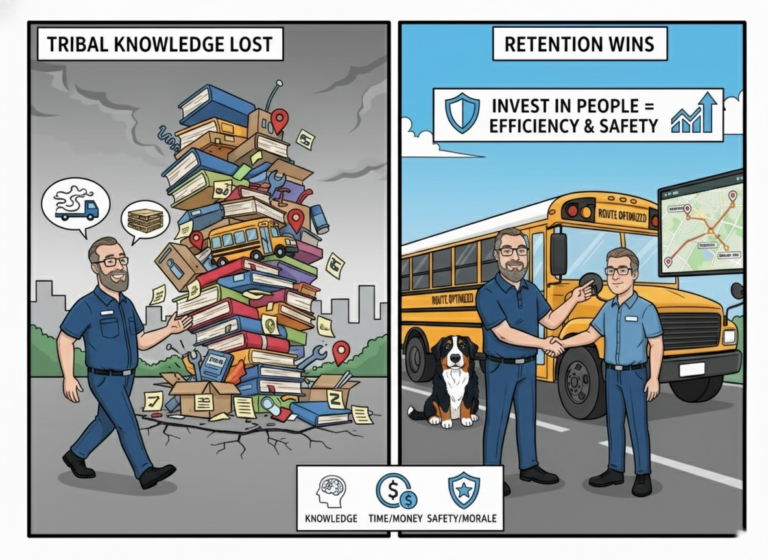
Why Student Behavior is a factor in Driver Retention.
The Hidden Cost of Turnover: Why Retention is Your Best Financial Strategy