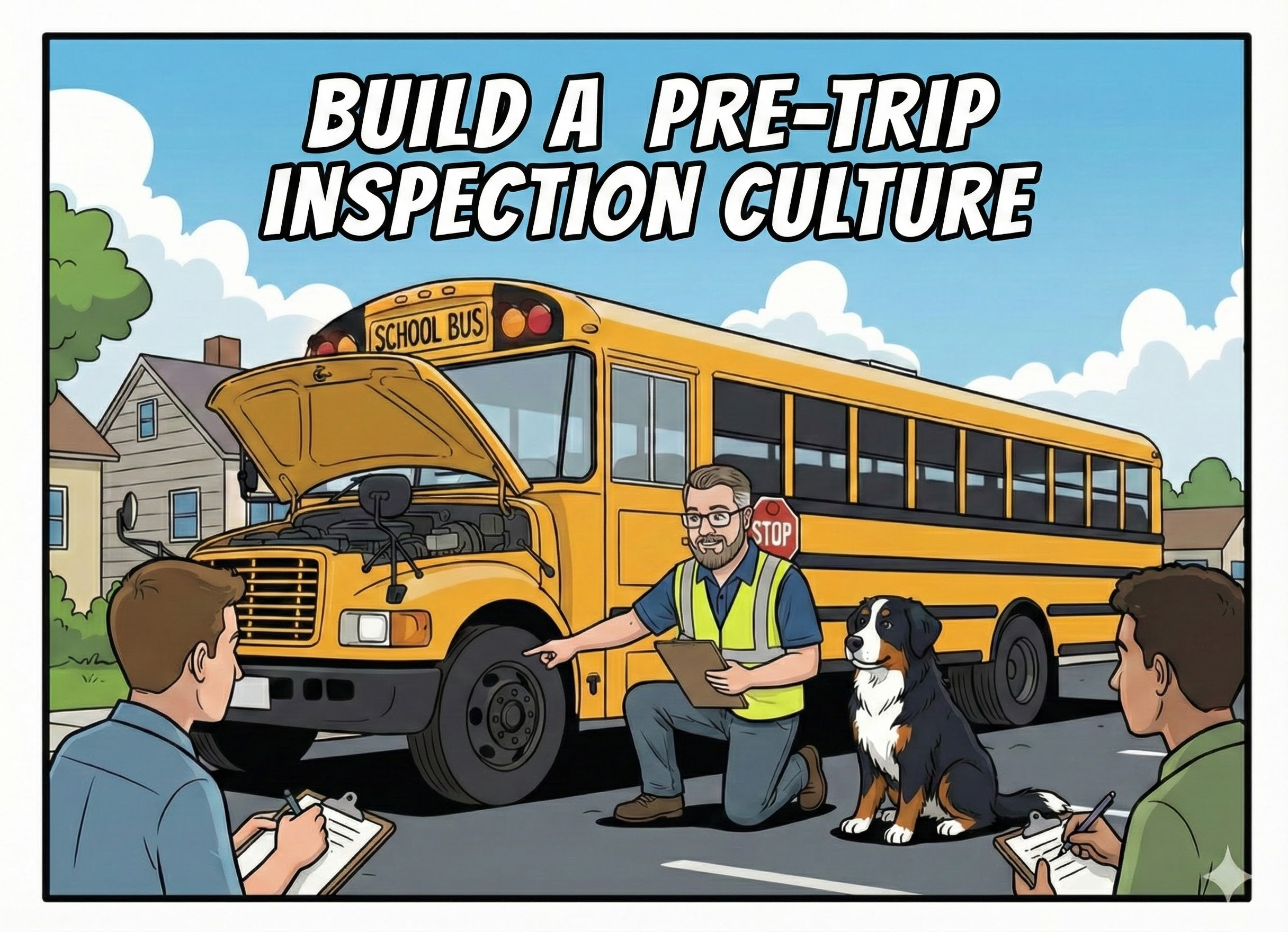
Pre-Trip Inspections: Why Some School Bus Drivers Short Cut (And How to Fix It)
The Hidden Cost Improper Pre-Trip Inspection:
- 60% of roadside vehicle violations are maintenance-related (FMCSA)
- Average cost of a breakdown: $500-$5,000 in towing, repairs, and route disruption
- Estimated time to complete a proper pre-trip: 15-20 minutes
Transportation insiders call it “pencil-whipping”—and it’s everywhere.
It’s when a driver fills out the form without actually doing the work, turning a critical school bus pre-trip inspection into a useless piece of paper. And it’s one of the biggest silent risks in our industry.
Every transportation director knows the feeling. You look at the DVIR log and see a driver clocked in at 6:05 AM. By 6:08 AM, they’ve signed off on the tires, the belt tension, the emergency exits, and the air brakes—all in 180 seconds.
When drivers fake it, they aren’t just breaking Federal Motor Carrier Safety Regulations (49 CFR §396.11)—they’re gambling with safety.
But you can’t fix this by just yelling at drivers or threatening write-ups. You have to change the culture.
Why Do They Do It? (It’s Not Just Laziness)
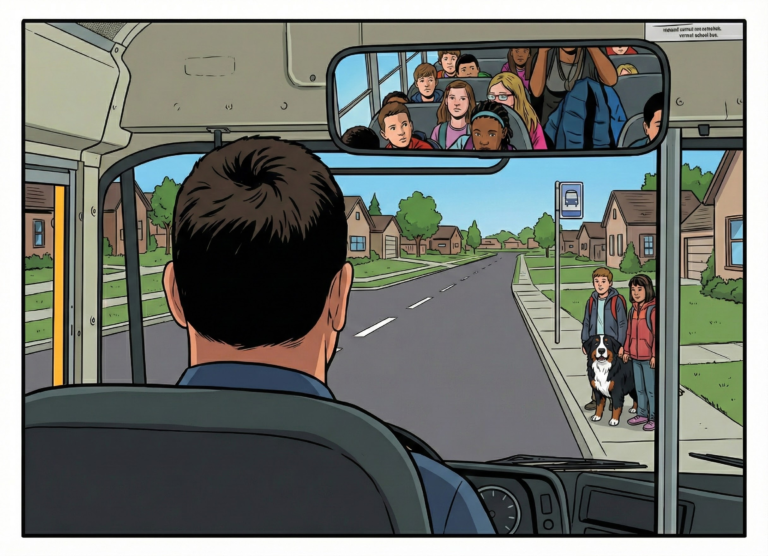
If you think drivers pencil-whip inspections just because they’re lazy, you’re missing the root cause. Most drivers are professionals who care about kids.
Usually, “pencil-whipping” is a symptom of three deeper operational pressures:
1. The “Yesterday” Trap
Human nature seeks shortcuts. If the bus ran perfectly yesterday, the driver assumes it’s fine today. Complacency is the enemy of safety.
2. The “On-Time” Pressure
If a driver arrives 10 minutes late to the yard, they feel immense pressure to “catch up” so they aren’t late for their first stop. Often, the school bus safety inspection is the first thing sacrificed to save time.
3. Lack of Leadership Oversight
“If leadership never steps out of the office to verify inspections, drivers naturally feel that paperwork is just ‘red tape’ that nobody actually reads.”
When managers stay invisible, the pre-trip inspection becomes just another checkbox instead of a safety-critical task.
To fix this, we have to address these human factors directly. Here are three practical, “in-the-trenches” ways to turn pre-trips from a paperwork chore into a core value of your operation.
1. The “Safety Star” Program (Positive Reinforcement)
For years, managers have used “salted tokens”—hiding a washer or card on the bus to test if drivers inspect thoroughly. But this often backfires by creating distrust and resentment.
Instead, flip the script. Use this method to catch your drivers doing something right.
How it works:
Before the drivers arrive, have a manager place a bright “Safety Token” or card in a specific spot that must be checked during a thorough inspection—for example, tucked into the alternator belt or taped to the rear emergency door latch.
When the driver finds it and brings it into the office, don’t just nod. Celebrate it.
- Give them a reward: A $5 or $10 coffee gift card right on the spot.
- Public Recognition: Announce their “Safety Star” status at the next monthly safety meeting.
This turns the pre-trip from a boring task into a scavenger hunt for excellence. It sends a clear message: We value the professionals who take the time to keep our students safe.
2. “Walking the Yard” (Leadership Presence)
You cannot lead a fleet from behind a desk.
If the only time drivers see leadership is when they’re in trouble, you have a culture problem.
Instead of being a “gatekeeper” trying to catch people attempting to leave, implement a “Walking the Yard” routine.
The Goal: Support, not “Gotcha.”
Leadership—whether it’s the Director, the Safety Supervisor, or the Dispatcher—should be visible in the lot during the AM launch.
- Be a resource: If a driver is struggling with a hood latch or a fluid check, help them.
- Correct with context: If you see a driver skipping the tire check, intervene immediately—but do it as a mentor. Explain why it matters.
It’s not just unacceptable; it’s against federal law. More importantly, a blown tire or a brake failure could result in an injury or worse.
A single missed brake defect can escalate from a $200 part replacement to a $10,000+ emergency repair—not to mention the route disruption, parent complaints, and potential liability.
Drivers need to know that you care enough about their safety to stand in the cold and ensure the process is done right.
3. Digital Verification (The Tech Solution)
If you’re still using paper logs, you’re inviting “pencil-whipping.” Paper allows a driver to fill out the form in the breakroom while drinking coffee.
Modern technology forces physical interaction with the bus. When evaluating digital solutions, prioritize Electronic Verified Inspection Reporting (EVIR) tools.
Top Tools for Verification:
Zonar Systems: Uses NFC tags (pucks) placed physically on the bus zones. The driver must walk around and scan each tag with their tablet.
Samsara: Uses a photo-based DVIR where drivers are prompted to take timestamped photos of specific areas (like the tires or mirrors) to prove the condition.
Tyler Technologies (Traversa): Offers integrated telematics that can track the time spent on the inspection, flagging reports that are completed too quickly.
Synovia (CalAmp): Offers similar digital inspection forms that time-stamp the driver’s location during the check.
These tools protect the driver and the district by creating a digital footprint of driver compliance training and safety compliance.
The Business Case: Why Safety Culture Pays
Preventing a lawsuit is important, but the real goal is building a culture where safety pays.
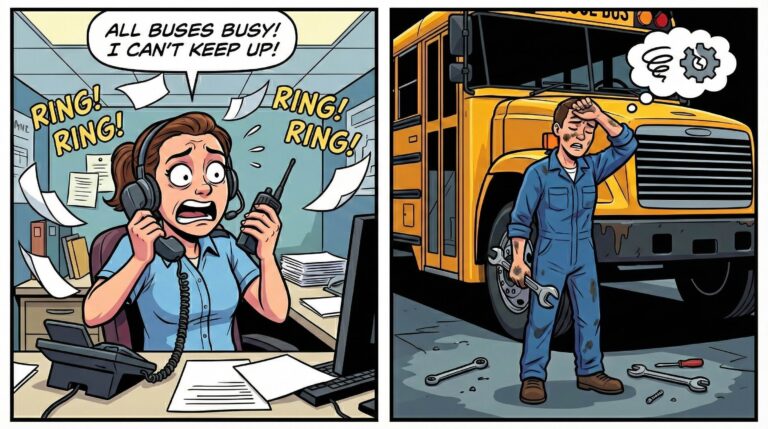
Doing the correct thing every time reduces the chance of a major malfunction on the highway. It prevents the chaotic “breakdown rescue” scenarios that ruin your dispatchers’ morning. It keeps equipment in its best working order, extending the life of your fleet.
Most importantly, this is a retention issue.
Professional drivers want to work for professional organizations. If a leader lets safety slide, the good drivers—the ones who actually care—will lose respect for the organization. They will leave to find a place that values their professionalism.
The Cultural Ripple Effect
The pre-trip starts with the District’s culture expectation. It must move through the entire organization:
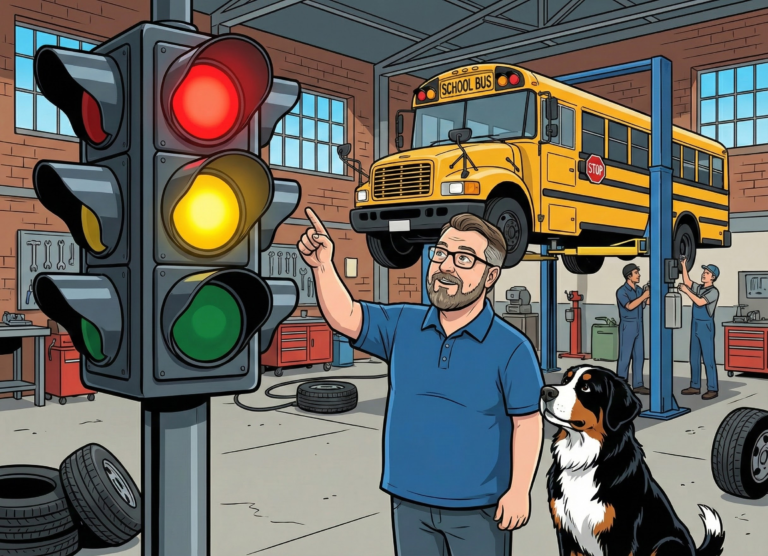
Technicians must prioritize safety defects found on pre-trips.
Routers must build in enough time for a proper inspection.
Coaches & Teachers must understand that the bus doesn’t move until it’s checked.
When you prioritize the pre-trip, you aren’t just checking tires; you’re signaling to your entire team that safety is the non-negotiable foundation of your service.
Does This Sound Like Your Operation?
Ask yourself: When was the last time YOU witnessed a complete pre-trip inspection?
If you’re worried that your operations have slipped into “pencil-whip” territory, you’re not alone—and it’s fixable.
I provide Fleet & Operations Audits to review your school transportation safety culture, maintenance workflows, and fleet management best practices. Let’s ensure your operation is as safe on the road as it looks on paper.
Frequently Asked Questions
Q: How long should a school bus pre-trip inspection take?
A: A thorough pre-trip inspection should take 15-20 minutes, covering all critical systems including tires, brakes, lights, emergency exits, and fluid levels.
Q: What is pencil-whipping in school transportation?
A: Pencil-whipping is when drivers falsify inspection reports without actually checking the vehicle. It’s a compliance violation under Federal Motor Carrier Safety Regulations and creates significant safety and liability risks.
Q: What are the consequences of skipped pre-trip inspections?
A: Beyond federal violations and fines, skipped inspections can lead to mechanical breakdowns ($500-$5,000+ per incident), route disruptions, driver injuries, and potential liability in the event of an accident caused by a preventable mechanical defect.
Ready to build a safety-first culture in your fleet? Download our free Pre-Trip Inspection Culture Checklist to audit your operation’s current practices and identify gaps.