Effective Remote Leadership, A Blueprint, (Part 2) | SchoolBusInk
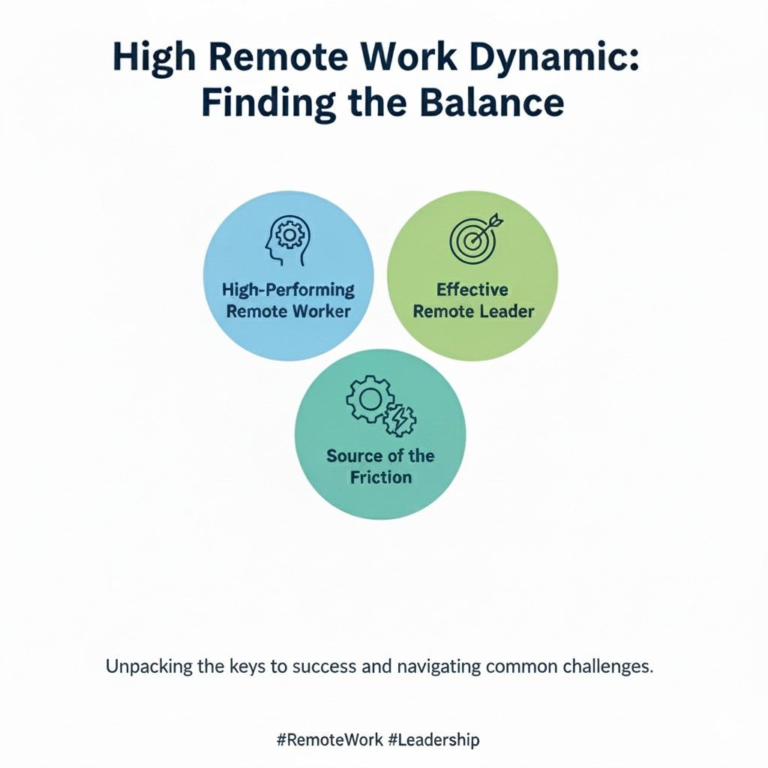
This is Part 2 of our 4-part series on The Remote Worker Dynamic. You can read Part 1 here.
How do you practice effective remote leadership for a team you can’t see everyday? It’s a deliberate focus on trust, intentional communication, and clear outcomes. As promised, here is part 2 of a 4 part series on The Remote Worker Dynamic. Here’s a breakdown of what remote leadership looks like in practice.
Leading a remote team effectively requires a deliberate shift from traditional management styles, focusing less on direct oversight and more on fostering trust, clarity, and connection.
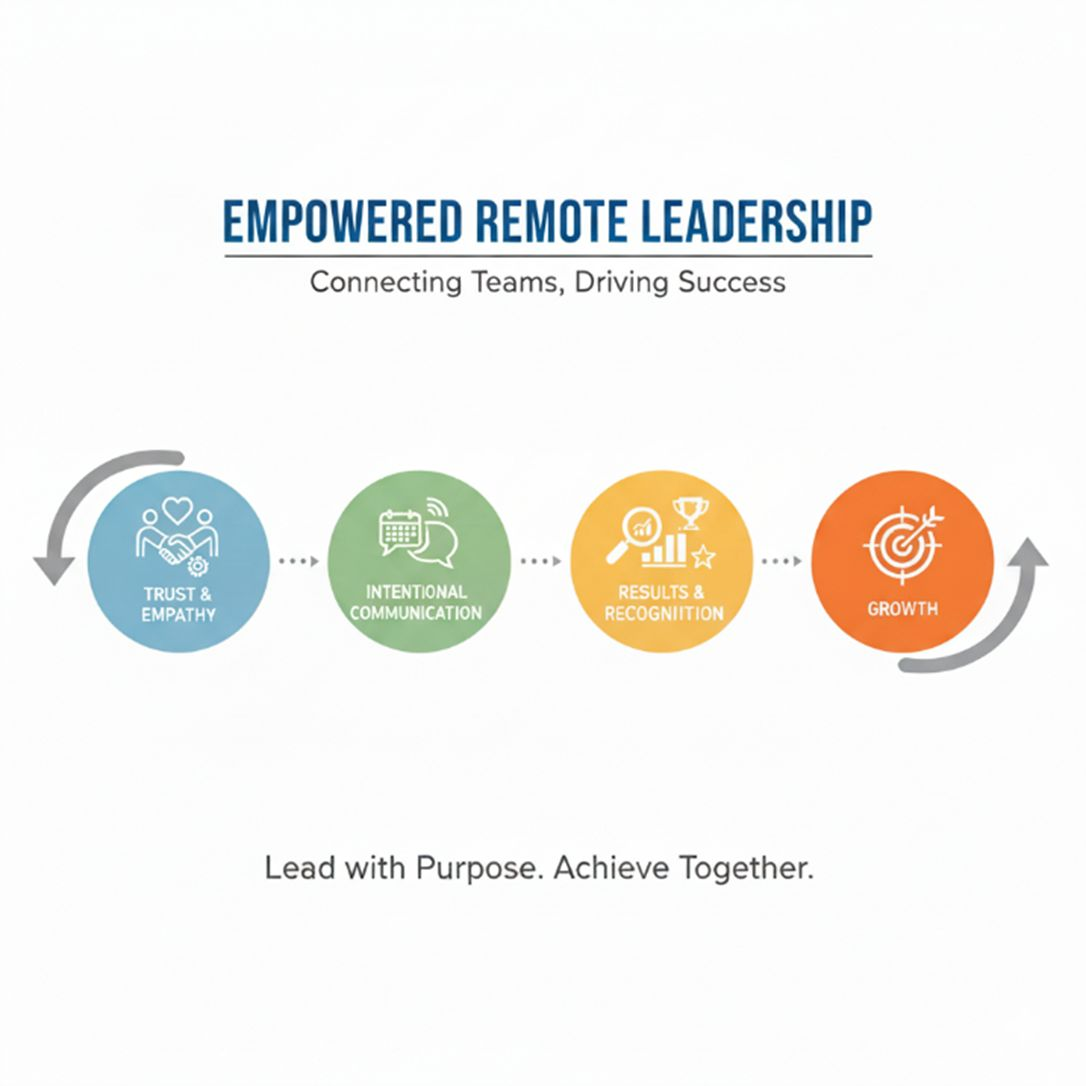
Lead with Trust and Empathy.
The foundation of successful remote leadership is trust. Without the ability to physically see your team, you must manage based on outcomes, not activity. Micromanagement is highly detrimental. Great remote leaders empower their teams with autonomy, focusing on results rather than tracking every minute of the day. They also lead with empathy, recognizing that each team member has a unique environment and offer flexibility, which builds loyalty and motivation.
Be Intentional and Proactive in Communication.
When you can’t rely on spontaneous office conversations, communication must be intentional and structured. A remote leader is responsible for creating a communication ecosystem that keeps everyone informed. Key decisions and project goals should be thoroughly documented and made easily accessible to prevent ambiguity. Leaders must also actively work to combat isolation by scheduling regular one-on-one check-ins and creating virtual spaces for informal social interaction.
Focus on Results and Recognition:
Effective remote leadership shifts the measure of success from hours worked to impact and outcomes. Leaders must set crystal-clear goals and key performance indicators (KPIs) so that team members are never unsure of what success looks like for their role. Furthermore, in a remote environment where good work can go unnoticed, a strong leader makes a conscious effort to publicly and privately recognize achievements, ensuring employees feel valued.
In short, effective remote leadership swaps oversight for outcomes, building a foundation on trust, intentional communication, and clear recognition of results. This approach empowers a team to perform at its best by fostering autonomy and ensuring every member feels valued.
But if the blueprint is so clear, why do many managers still struggle? In our next post, we’ll dive into “The Source of Friction: Understanding the Leadership Challenge.”