The Hidden Cost of Turnover: Why Retention is Your Best Financial Strategy
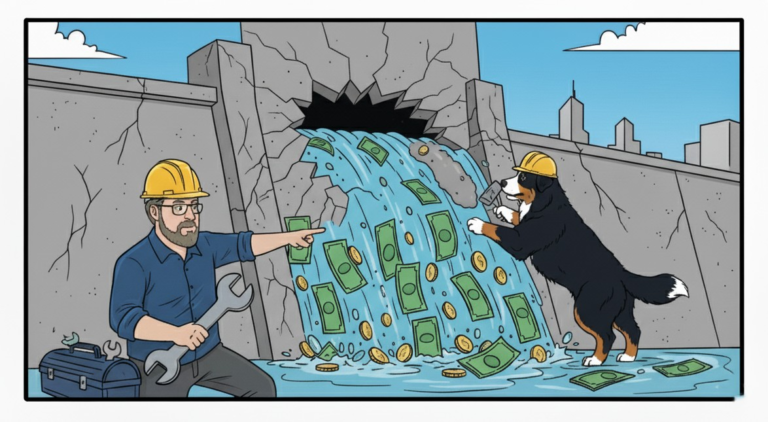
What’s the most expensive line item in your operation?
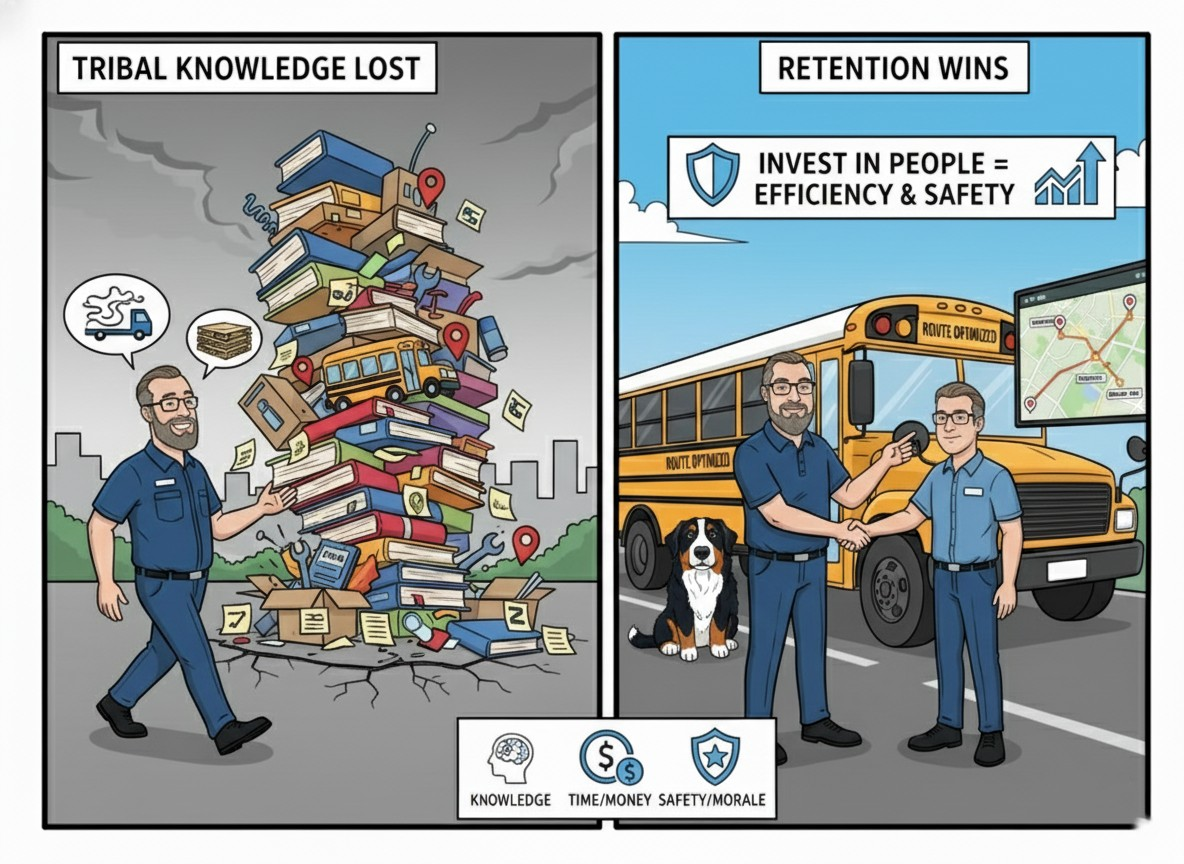
It’s not fuel. Not that new bus. It’s the 15 years of tribal knowledge that just walked out the door with your best driver—and you didn’t realize it was gone until the complaints started rolling in.
In operations, we obsess over asset retention (our trucks, our buses). But we miss the bigger, more expensive asset: our people. When a skilled driver quits, you don’t just lose a person. You lose their entire library of route-specific, customer-specific, and “unwritten rule” knowledge that took years to build.
The average cost to replace a commercial driver is $8,000–$12,000 (according to ATRI data). But that number is deceptively low because it only counts the visible costs.
Here are the three real costs of driver turnover.
The “Tribal Knowledge” Cost
That driver who just left? They were a walking encyclopedia.
- In General Trucking: They knew the exact dock to use at the warehouse (not the one listed on the paperwork). They knew the cranky receiver who only accepts pallets stacked a certain way. They knew which rest stops have the safest overnight parking.
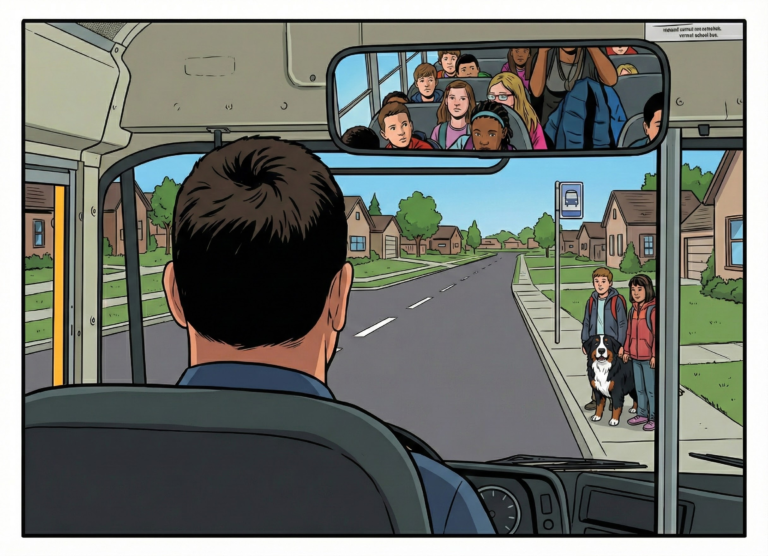
- In Student Transportation: They knew which student needs an extra minute to get to the stop. They knew which parent requires a direct-line-of-sight handoff. They knew the one street that floods every time it rains.
When they leave, this knowledge is gone. Your new hire will have to re-learn it all… usually by making expensive mistakes that frustrate your customers.
The Training Time-Sink
We often look at the trainer’s salary as the only “training cost.” That is wrong. The real cost is multiplied across your entire operation:
- New Hire: You are paying a non-productive salary for 4–6 weeks while they train.
- Veteran: Your trainer is pulled off their productive route, meaning you might be paying overtime to cover their run.
- Manager: Your management team spends hours on paperwork, background checks, and scheduling instead of optimizing operations.
It is a massive productivity drain paid for by your most experienced people.
The “Survivor” Burnout Cost
Here is the scary part: new drivers have 3x the incident rate in their first year. While they are learning the ropes, who is picking up the slack?
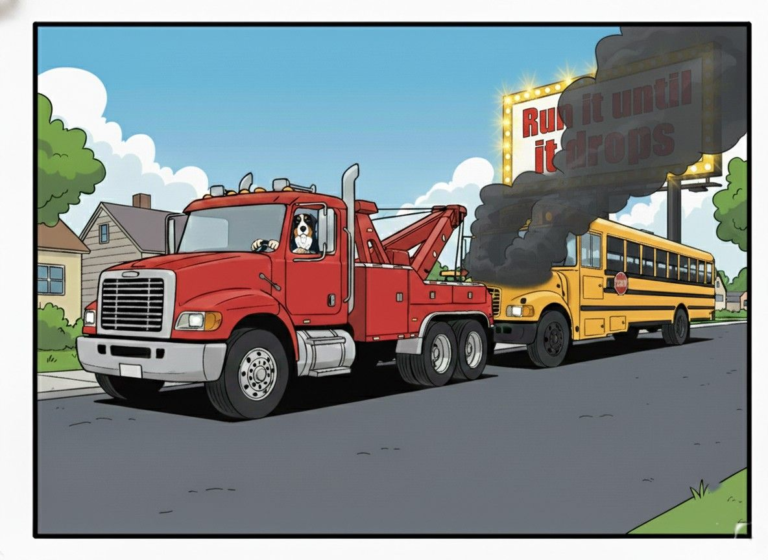
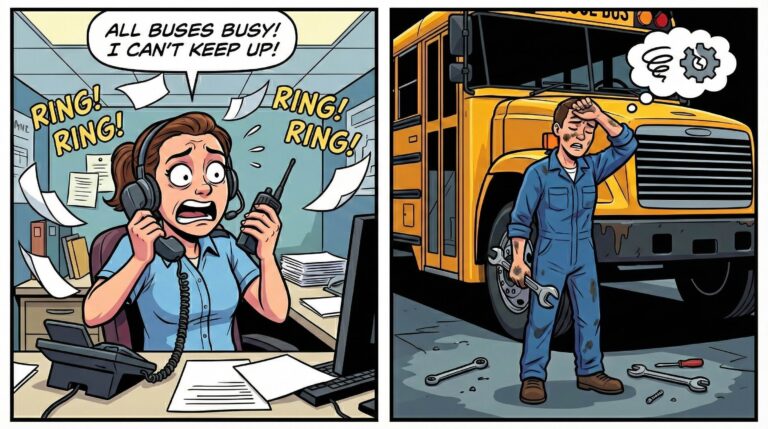
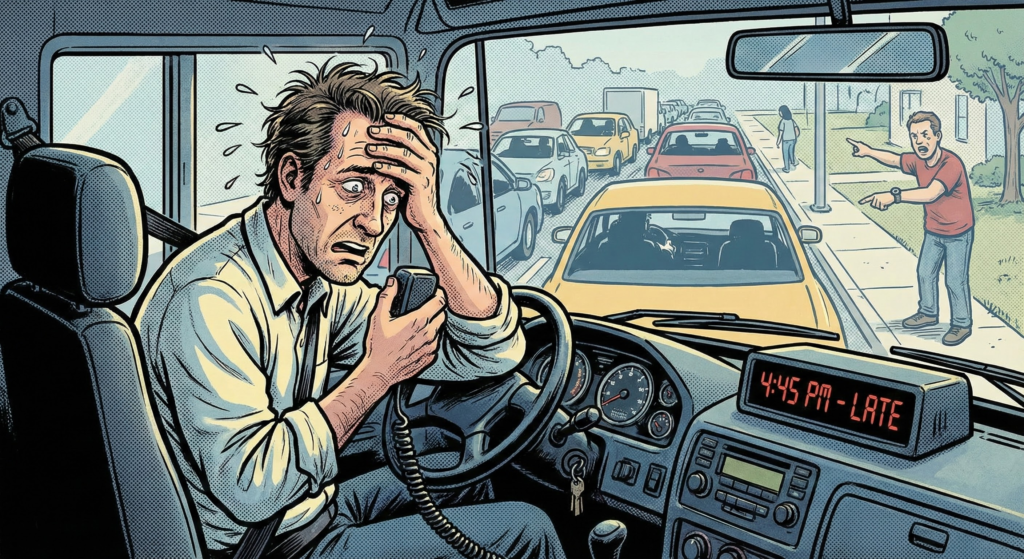
Your “survivors”—the rest of your team. They are running extra routes, handling angry parents, and absorbing the chaos. This isn’t just exhausting; it is exactly how you lose your next driver. Turnover becomes a self-perpetuating cycle.
Retention is a Financial Strategy, Not an HR “Perk”
It is time to stop treating retention as a “soft” HR metric. This connects directly back to our previous discussion on routing efficiency: those predictable, optimized routes aren’t just fuel-savers—they are retention tools. A driver who finishes on time, every time, is a driver who stays.
Companies with strong retention don’t just save money—they build competitive advantages. Your long-term drivers become your secret weapon.