The “Hidden Costs” of Poor Logistics – Part 4
In logistics, “I’ll call them back” is a recipe for disaster.
A 5-minute communication delay in the office can spiral into a 2-hour, $500 disaster on the road. It’s like watching a slow-motion train wreck, except the train is your profit margin.
In this series on Hidden Cost of Poor Logistics, we’ve covered:
Part 1: The Cost of Bad Routing
Part 3: The Price of Outdated Teck
But what is the chaotic force multiplier that makes all those problems worse? Poor communication.
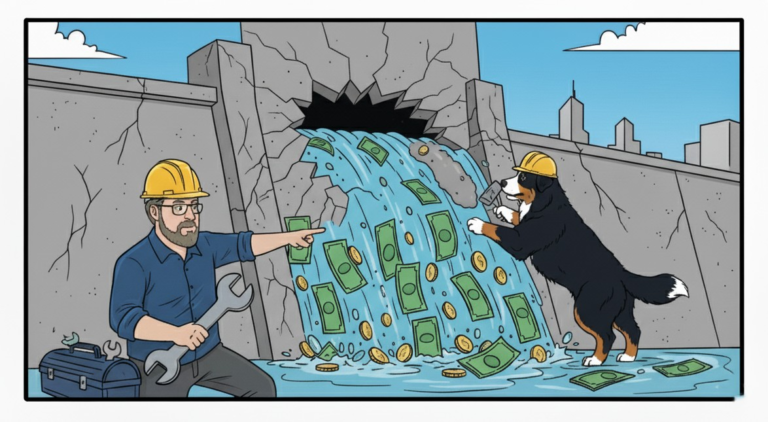
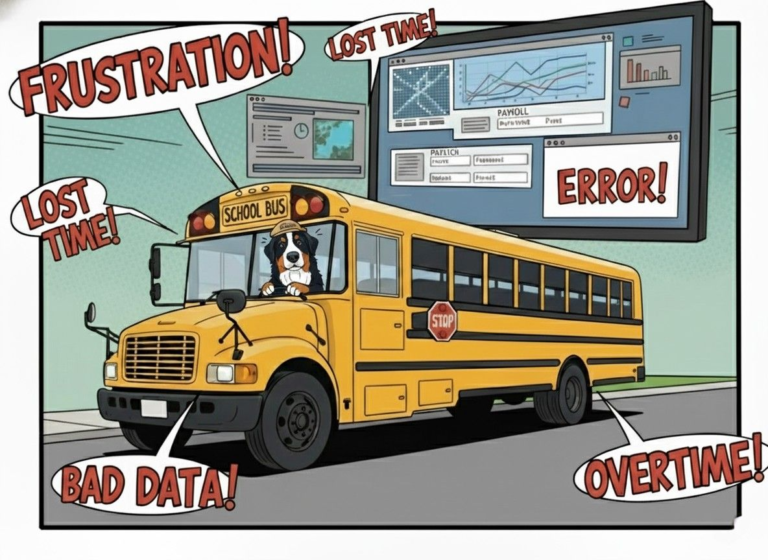
We dismiss it as “soft skills,” but its cost is incredibly hard. When information is slow, wrong, or nonexistent, you’re not just inefficient—you’re actively setting money on fire.
The “One-Digit Typo” Cost
This is the cost of wrong information.
A single misplaced number in an address. A dispatcher who forgets to mention the customer’s dock hours changed. A wrong PO number copied from a crumpled sticky note.
That tiny 8 AM error dominoes into a full-blown catastrophe by 3 PM:
- In Trucking: A rejected load, a $300 re-delivery fee, a driver now out of Hours of Service, and a shipper who will remember this failure for years.
- In Student Transportation: A driver sent to a “no-longer-active” stop, a student left waiting in the rain, and simultaneous panicked calls from the school and the parent.
One small data error. One massive, expensive, and 100% avoidable mess.
The “Productive Idling” Cost
This is the cost of slow information.
Your driver arrives at the receiver, but the load isn’t in their system. Your bus driver is at a mandatory hand-off stop, but the parent isn’t there. They call the office. It rings. And rings. Or worse—straight to voicemail.
So they wait. And wait. The clock ticks. The entire schedule for the rest of their day is now toast. You’re paying a skilled professional (and idling a $150K asset) to play Candy Crush in a parking lot… all for lack of a 30-second answer.
The “Us vs. Them” Cost
This is the cost of no information—a culture killer.
When information isn’t shared openly and consistently, silos form and blame culture festers:
- Dispatch thinks drivers are “always making excuses.”
- Drivers think dispatch is “sitting in their comfy chairs, clueless.”
- Sales makes promises that operations can’t possibly deliver.
This toxic friction isn’t just workplace drama. It’s the direct cause of the burnout and turnover bleeding you dry (see Part 2 of this series).
Communication Isn’t “Admin Work”—It’s THE Operation
Clear, fast, and accurate communication is the central nervous system of efficient logistics. It’s the operating system that makes your routes, tech, and people actually work together instead of against each other.
Fix the communication, and everything else gets easier.
My question: What’s the most common (and costly) communication breakdown you see between your office and the field?